Misinformation, disinformation, and deepfakes: What every investigator needs to know
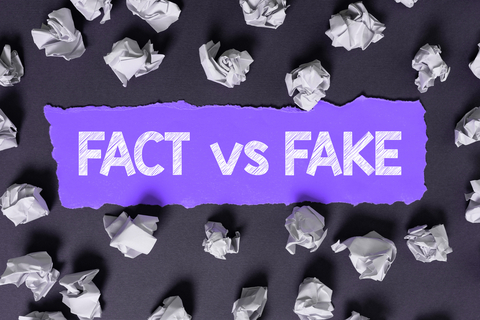
As researchers and investigators, using credible sources and verifying our findings has always been a big part of the job. What’s changed, though, is that it’s getting harder to differentiate between what’s true and what’s not.
Thanks to AI tools and other technology, the scammers and manipulators have reached a new level of sophistication. We used to worry about whether an information source was biased or up-to-date. Now we have to ask whether it’s real.
What’s The Problem?
Information is becoming easier to distort, and fakes are becoming harder to spot. But these distortions and fakes are easy to spread, and they show up in a few different ways:
Misinformation – False or inaccurate information that’s shared without the intent to deceive. Think of a well-meaning person forwarding a social media post that turns out to be wrong or an editor missing a few mistakes. No malice, just error.
Disinformation – False information that is deliberately created and spread to deceive. Someone behind disinformation knows it’s false and wants you to believe it anyway. It’s used in influence campaigns, corporate sabotage, and fraud, and it’s strategic.
Deepfakes – Audio, video, or images, generally created with the help of AI tools that easily manipulate facial expressions, replace faces, or synthesize speech. You might see a fake CEO pitching a fraudulent investment or Taylor Swift endorsing Donald Trump for president. The technology has come a long way, and what once required significant resources can now be produced with free tools.
And here’s where the lines blur: disinformation campaigns increasingly use deepfakes as their delivery mechanism. A piece of disinformation wrapped in a convincing video is far more persuasive than a text post. And misinformation? Sometimes it starts with a deepfake that someone shares in good faith, not knowing it wasn’t real.
Why This Matters
If your work depends on gathering facts, verifying identities, or reconstructing events, misinformation, disinformation, and deepfakes are a big problem. Consider the ways we rely on news articles, social media posts, and video footage. Any of it can now be compromised in ways that weren’t possible a few years ago, and it makes our jobs more complicated.
What Can We Do?
In this new information environment, we need to be even more diligent about sources and how we evaluate and report our findings. Here are a few things to keep in mind:
- Verify the source before you trust the content. Don’t just evaluate what a source says. Evaluate whether the source itself is legitimate. Check domain registration dates, look for an editorial history, and cross-reference claims with multiple independent outlets.
- Be skeptical, especially of anything emotionally charged. Misinformation and disinformation tend to exploit strong emotions. If a piece of content makes you react on an emotional level, pause before you act on it.
- Apply deepfake detection to any high-stakes video or audio. Learn about the latest tools for flagging AI-generated content, and check what other sources are reporting on the topic.
- Go to primary sources whenever possible. Court records, official filings, and regulatory databases can be verified at the source, and you can opt for certified copies, if needed. Remember that the further you get from a primary source, the more chance for distortion, intentional or not.
- Document your sourcing. Before delivering your findings to a client, document not just what you found, but where you found it and how you verified it. Not every client needs or wants all that info in their report, but I like having it handy in case anyone asks.
Misinformation confuses, disinformation deceives, and deepfakes distort. Together, they don’t just complicate investigations, they redefine them. Our value as investigators lies in knowing what’s fake and what’s real.